Rodent Control

Rodent Exterminator in NYC
Rodent Control

When Should You Call a Rodent Exterminator in NYC?

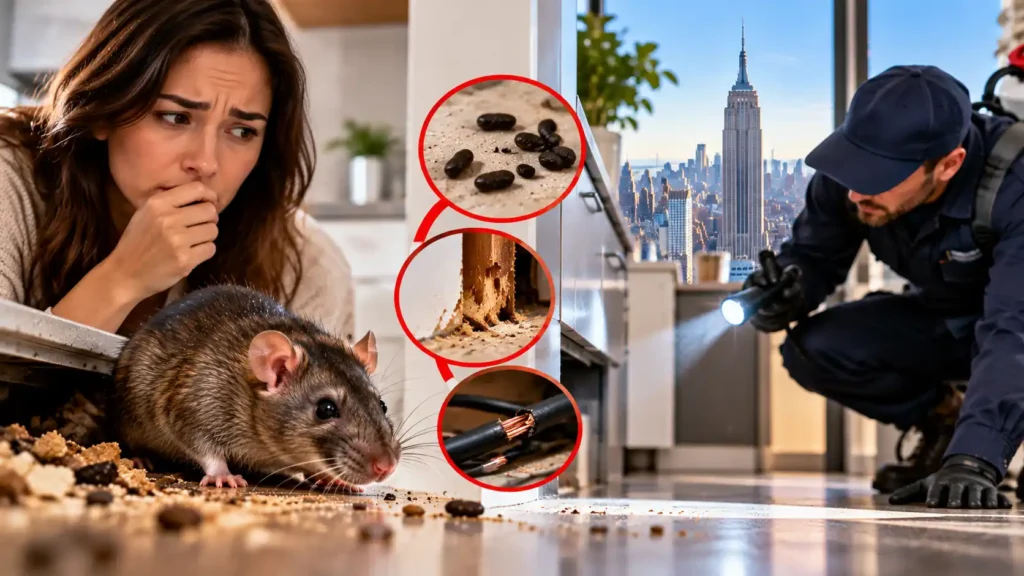
When should you call a rodent exterminator? You should contact a professional when you see a rat or mouse inside your property, discover fresh droppings, hear repeated scratching behind walls, or notice damaged food packaging and electrical wiring. Even one confirmed sighting deserves attention because rodents can stay hidden and cause problems before an infestation becomes obvious. If you are experiencing these issues, professional Pest control nyc assistance can help identify the source and recommend suitable treatment. Rodents are particularly challenging in New York City because they can use gaps around pipes, foundations, utility spaces, and shared walls to enter buildings. Understanding What Is Rodent Control in NYC? helps homeowners, tenants, and business owners recognize why effective treatment involves more than placing a few traps. The goal is to remove existing rodents while reducing food sources, shelter, and access points that allow them to return. If you suspect rats or mice are active in your property, Rodent Control Services NYC can provide professional inspection, targeted treatment, and recommendations for long-term prevention. This guide explains the warning signs, health risks, and situations that require immediate attention so you can make an informed decision before the problem becomes more serious. Signs You Need a Rodent Exterminator The most important signs you need a rodent exterminator include repeated sightings, fresh droppings, unusual sounds, gnaw marks, damaged food packaging, and evidence of nesting. You do not need to wait until several rodents become visible. Rats and mice often remain hidden during the day, which means physical evidence may appear before you see the animals themselves. Seeing a Rat or Mouse Inside Your Home Finding a live rodent in your kitchen, bedroom, basement, or storage area is a reason to investigate promptly. A single sighting does not necessarily prove there is a large infestation, but it may indicate an entry point or an available food source. Repeated sightings, particularly in different rooms, make professional inspection more important. Rodents are generally cautious around people. They often move along walls, behind appliances, and through concealed spaces. If you see one entering a hole or disappearing behind a cabinet, note the location so the exterminator can inspect it. Finding Rodent Droppings in Your House Discovering rodent droppings in house cabinets, under sinks, behind refrigerators, or around stored food is a strong warning sign. Mouse droppings are typically smaller than rat droppings, although size alone may not provide a certain identification. Their presence shows that rodents have accessed the area. Droppings should never be handled carelessly. The CDC recommends disinfecting affected areas before removing waste. Avoid sweeping or vacuuming dry droppings because contaminated particles may become airborne. Hearing Scratching Noises Inside Walls at Night Repeated scratching noises in walls at night may indicate rats or mice moving through concealed spaces. These sounds may come from wall cavities, ceilings, floors, or areas around plumbing. Rodents are often active after dark, so the noises may become noticeable when the building is quiet. However, squirrels and other animals can create similar sounds. An inspection can help identify the actual cause rather than relying only on the location or timing of the noise. Finding Gnaw Marks and Damaged Materials Rats and mice have front teeth that continue growing, so they regularly gnaw on materials. You might discover chewed food packaging, damaged cardboard boxes, holes around cabinets, or marks along baseboards. Some rodents may also damage insulation and electrical wiring. If you suspect damaged wiring, avoid touching the affected area and contact a qualified electrician when necessary. Electrical hazards require attention beyond pest removal. Discovering Nesting Materials or Unusual Odors Rodents use shredded paper, fabric, insulation, and other soft materials to build nests. These materials may collect behind appliances, in storage boxes, inside wall spaces, or beneath cabinets. An unpleasant odor around hidden areas may also indicate rodent urine, waste, or a dead animal. Finding several of these warning signs together makes an active infestation more likely and supports arranging a professional inspection. How to Tell If You Have Rats or Mice Understanding how to tell if you have rats or mice can help you describe the problem accurately when contacting a pest control company. Both can contaminate food and damage property, but their size, nesting habits, and preferred travel routes can differ. House mice are smaller and frequently enter kitchens, storage rooms, wall cavities, and cabinets. Norway rats are much larger and commonly use basements, ground-level openings, and outdoor burrows. Roof rats, where present, are skilled climbers and may use elevated spaces. Dropping size, gnaw marks, footprints, burrows, and live sightings can provide clues. However, a professional should consider several forms of evidence before identifying the species or deciding where traps belong. Correct identification matters because a treatment plan focused on the wrong areas may miss the actual nesting sites. What Are the Dangers of a Rodent Infestation? The dangers of rodent infestation extend beyond the inconvenience of seeing pests indoors. Rats and mice may contaminate food, create sanitation problems, damage building materials, and expose occupants to harmful organisms through their waste. Health Risks and Food Contamination Rodents can spread certain diseases through urine, droppings, saliva, bites, or contaminated materials. Not every rodent carries the same pathogens, and the level of risk depends on the situation. Still, food or surfaces contaminated by rodent activity should be handled carefully. If you believe an illness may be related to rodent exposure, seek medical advice and explain the possible contact. Property and Electrical Damage Gnawing can damage insulation, wall materials, storage containers, and electrical cables. Repairing these problems may involve electricians, contractors, or other building specialists in addition to pest control professionals. Problems for NYC Businesses Restaurants, grocery stores, warehouses, and offices can experience contamination, damaged inventory, and sanitation concerns. For food-related businesses, even limited rodent activity deserves prompt investigation because it may affect food handling and regulatory compliance. Early control helps property owners address these risks before damage becomes more extensive. How Quickly Do Rodents Multiply? If you are wondering how quickly do rodents

When Should You Call a Rodent Exterminator in NYC? Read Post »
What Is Rodent Control in NYC
Rodent Control

What Is Rodent Control in NYC? Methods, Benefits & Prevention

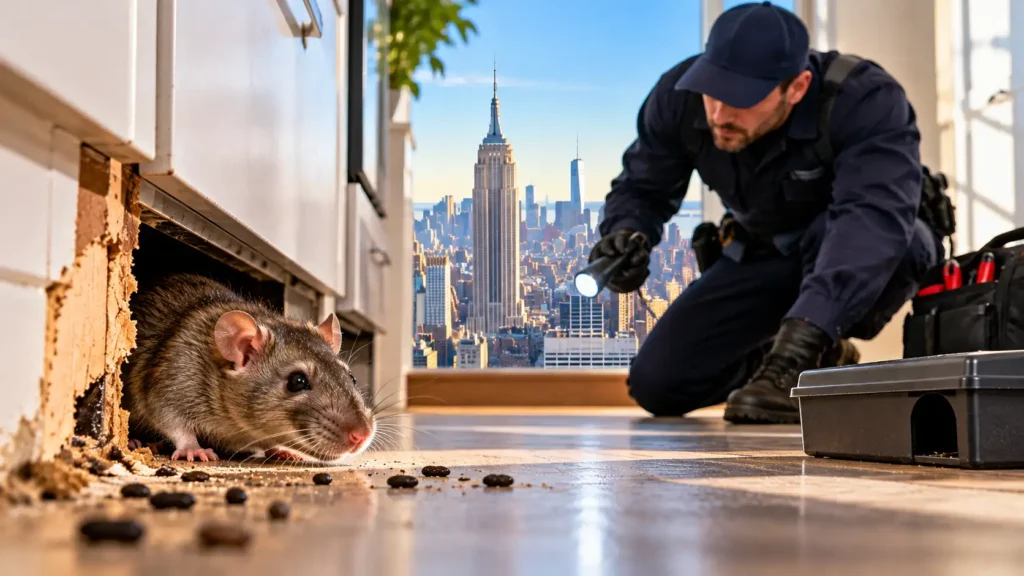
What is rodent control? Rodent control is the process of finding, removing, and preventing rats and mice from entering homes, apartments, and commercial buildings. It includes property inspections, trapping, sealing entry points, eliminating food sources, and ongoing monitoring. In New York City, effective Pest control nyc solutions address both the animals and the conditions that attract them. Rodents can enter properties through small openings around doors, foundations, plumbing, and walls. Once inside, they may damage materials, contaminate food, and create health concerns. Professional Rodent Control Services NYC can help property owners identify rodent activity, determine suitable treatment methods, and reduce the risk of future problems. If you have noticed scratching sounds, droppings, chewed packaging, or unexplained holes, early action is important. Our related guide, Effective Ways to Protect Your Home and Business From Rats and Mice, provides practical strategies for reducing the conditions that attract rodents to NYC properties. In this guide, you will learn how rodent management works, which methods are commonly used, how to recognize an infestation, and when professional assistance may be necessary. How Does Rodent Control Work? Effective rodent management involves more than removing visible rats or mice. A long-term solution begins by identifying how rodents enter a building, where they hide, and what food or water sources allow them to survive.Professional pest management commonly follows an approach called Integrated Pest Management (IPM). This combines inspection, sanitation, exclusion, targeted removal, and monitoring. The process typically involves five stages. 1. Inspecting the Property An inspection identifies rodent activity, nesting areas, possible entry points, and conditions that attract pests. Common inspection areas include kitchens, basements, storage rooms, utility spaces, and building exteriors. 2. Identifying the Rodent Species Different rodents have different habits.House mice may nest inside walls, cabinets, or storage areas. Norway rats often use ground-level spaces and outdoor burrows, although they may also enter buildings. Identifying the species helps determine where control measures should be placed. 3. Removing Existing Rodents Appropriate traps and other approved methods may be used to reduce rodent activity.The treatment approach depends on the species, infestation severity, building layout, and safety concerns. 4. Closing Entry Points Small gaps around pipes, doors, foundations, and walls can allow rodents to enter.Sealing these openings helps prevent new animals from moving into the property. 5. Monitoring for New Activity Follow-up inspections help determine whether rodents remain active.Fresh droppings, gnaw marks, or continued trapping activity may indicate that additional measures are needed. This complete approach addresses both the existing problem and its underlying causes. Common Rodent Control Methods Used in NYC Different rodent control methods serve different purposes. The most effective treatment plans usually combine several approaches rather than relying on a single product. Trapping Traps are commonly used to remove rodents from indoor spaces.Snap traps and certain enclosed trapping systems can be effective when selected and positioned correctly.Placement matters because rodents often travel along walls and protected routes. Traps must be kept away from children, pets, and areas where they could cause accidental injury. Exclusion and Entry Point Sealing Exclusion means preventing rodents from entering buildings.It may involve repairing holes, sealing gaps around pipes, installing door sweeps, and fixing damaged vents. Rodents can squeeze through surprisingly small openings, so a careful inspection is necessary. Sanitation and Food Management Rodents need reliable access to food and shelter.Poor garbage storage, food spills, and clutter can encourage activity. Keeping these areas clean makes a property less attractive to rats and mice. Targeted Rodenticide Treatment Rodenticides are products designed to control rodents. They require careful handling because improper use can endanger children, pets, and wildlife.In NYC commercial and multi-unit properties, rat extermination must be handled by an appropriately licensed pest management professional. Long-Term Monitoring Monitoring can include checking traps, reviewing fresh activity, and reinspecting repaired openings.The goal is to determine whether the problem has been controlled and whether additional prevention is necessary. For readers interested in the differences between common treatments, our related article Types of Rodents Control: provides another useful starting point. What Are the Signs of Rodent Infestation? Recognizing the signs of rodent infestation can help you respond before the problem becomes more difficult to manage.Rodents usually avoid people and may remain hidden during daylight hours.You might notice the evidence they leave behind before seeing a live animal. Rodent Droppings Small, dark droppings are among the clearest warning signs.Mouse droppings are generally smaller than rat droppings.They may appear in kitchen cabinets, under sinks, behind appliances, or near stored food. Scratching and Movement Sounds Rodents may produce scratching, scurrying, or chewing sounds inside walls, ceilings, and floors.These sounds can be more noticeable at night.However, sounds alone cannot identify the pest. Chewed Food Packaging Rats and mice have strong front teeth that continue growing throughout their lives. They gnaw on materials to access food and maintain their teeth. Damaged food containers or torn packaging may indicate rodent activity. Gnaw Marks and Damaged Materials You may notice damage around wooden surfaces, insulation, storage boxes, plastic materials, or electrical wiring. Chewed wiring can create additional safety concerns. Nesting Materials Rodents may collect shredded paper, fabric, insulation, and other soft materials for nests.These materials are often hidden in protected spaces. Unpleasant Odors Strong urine odors or smells from inaccessible areas may be associated with rodent activity.If you notice several warning signs together, arrange a closer inspection. Why Is Rodent Control Important for NYC Properties? Rodents are more than an inconvenience. They can affect health, property conditions, food safety, and everyday comfort. Protecting Health Rats and mice may contaminate surfaces, food, and stored materials with urine, droppings, and other waste. Some rodents can carry disease-causing organisms. Rodent allergens may also worsen asthma symptoms in sensitive individuals. Preventing Property Damage Rodents can gnaw through insulation, wood, stored materials, and certain types of wiring. They may also damage food supplies and create nesting areas inside building structures. Protecting Food Storage Areas Rodents are particularly concerning in restaurants, grocery stores, warehouses, and shared kitchens. Food contamination may require affected materials to be discarded. Maintaining Comfortable Living Spaces

What Is Rodent Control in NYC? Methods, Benefits & Prevention Read Post »

Rodent Control
Rodent Control

Rodent Control NYC: Effective Ways to Protect Your Home and Business From Rats and Mice

You hear it before you see it — a scratch behind the wall at 2 a.m., a chewed-through cereal box, droppings along the pantry shelf. In New York City, that’s rarely a one-time visitor. Where there’s one mouse, there are usually more, and where there’s one gap in a hundred-year-old brownstone foundation, there’s an open invitation. Rodent control starts with understanding why rats and mice chose your property in the first place — and closing the door behind them. Whether you’re in a Brooklyn walk-up, a Queens two-family home, or a Manhattan restaurant kitchen, the fix is the same: find the signs, remove what’s attracting them, seal how they’re getting in, and bring in a professional when activity keeps coming back. Why NYC Properties Are a Magnet for Rodents New York’s density is exactly what rats and mice thrive on. Shared walls between apartments, tight alleyways behind restaurants, overflowing curbside garbage, and subway tunnels running beneath entire blocks all give rodents highways in and out of buildings. Older housing stock compounds the problem. Pre-war buildings in neighborhoods like the Lower East Side, Astoria, and Park Slope often have gaps around old pipe fittings, settled foundations, and boiler rooms that were never sealed to modern standards. Ground-floor commercial spaces — bodegas, delis, restaurants — add a constant food source that keeps activity going year-round, not just in fall when rodents typically move indoors for warmth. You don’t need to see a live rat to have a rodent problem. Activity often stays hidden in basements, behind stoves, inside wall voids, and above drop ceilings for weeks before anyone notices. What’s Actually Drawing Rats and Mice Indoors Rodents aren’t picky — they’re opportunistic. They enter buildings chasing three things: food, water, and shelter. Food access is the biggest driver in NYC specifically. Curbside garbage bags, unsecured pet food bowls, spilled dry goods, and restaurant grease traps all provide an easy meal. Shelter and warmth matter just as much, especially from October through March. A gap as small as a pencil’s width around a pipe, vent, or foundation crack is enough for a mouse to squeeze through. Rats need only a gap the size of a quarter. Commercial properties carry extra risk. Restaurants, bodegas, warehouses, and multi-unit apartment buildings with shared trash rooms create a steady food supply that residential blocks don’t always have — which is why commercial rodent control often requires a more aggressive, ongoing approach than a single-family home. Health and Property Risks You Can’t Afford to Ignore Rodent droppings and urine can contaminate countertops, food storage areas, and HVAC systems, and rodents are known carriers of pathogens that spread through contact with contaminated surfaces — a serious concern in any kitchen, restaurant, or food-handling business. Beyond health, rats and mice cause real property damage. They gnaw through wiring, chew into insulation, tear through stored documents and packaging, and can compromise drywall and wood framing over time. For landlords and commercial property owners, unresolved rodent activity can also mean sanitation and compliance concerns. 8 Signs You Have a Rodent Problem — Not Just a One-Time Visitor A single sighting doesn’t always mean an infestation. But if you’re noticing more than one of these, it’s time to inspect further: If you spot several of these at once, avoid handling droppings or nesting material with bare hands, and don’t wait to inspect further. Where Rodents Hide in NYC Homes and Businesses Rodents look for quiet, undisturbed areas close to food and warmth. In homes: basements, boiler rooms, behind kitchen appliances, inside wall voids, cluttered closets, and garages are the most common hiding spots. In commercial spaces: dumpster enclosures, loading docks, behind walk-in coolers, storage rooms, and drop ceilings in older buildings are frequent problem areas — often places that don’t get checked during a routine walkthrough. If you notice other signs of household pests in these hidden areas, professional pest control services can help identify the source and determine the appropriate treatment. Prevention Steps That Actually Work Small, consistent changes make a property far less attractive to rodents: These steps work best as an ongoing routine, not a one-time cleanup. Keeping your property clean and addressing access points can also help reduce conditions that attract other pests. Why DIY Rodent Control Usually Falls Short Snap traps and store-bought bait can catch a rodent or two, but they rarely solve the underlying problem. If the entry points that let rodents in are still open, and the food source that attracted them in the first place is still available, new rodents will simply replace the ones you caught. Professional technicians are trained to find what property owners typically miss: entry points behind appliances, gaps in shared walls between units, and nesting sites in spaces that are hard to access without the right tools. For larger properties — apartment buildings, restaurants, warehouses, offices — DIY methods almost never keep pace with the scale of activity. Rodents are not the only pests that can hide in walls, basements, and other quiet areas. For example, property owners dealing with wood damage may also need to look into termite control. What to Expect From Professional Rodent Control A professional treatment plan typically starts with a full inspection, indoors and outdoors — checking basements, kitchens, storage areas, garbage areas, wall voids, and any other likely travel routes. From there, the plan is built around what’s actually found on the property, not a one-size-fits-all treatment. That usually includes: At Metropolitan Pest Services, we focus on finding the source of the activity — not just responding to the signs you can see — because a treatment that doesn’t address entry points is a treatment that doesn’t last. Choosing a Rodent Control Company in NYC When you’re searching for “rodent control near me,” speed and price shouldn’t be the only factors. Ask any company you’re considering: Local experience matters here more than in most cities. A technician who’s worked in prewar Brooklyn brownstones, Queens attached homes, or Manhattan restaurant kitchens will recognize

Rodent Control NYC: Effective Ways to Protect Your Home and Business From Rats and Mice Read Post »

8 Types of Rodents Control
Rodent Control

Types of Rodents Control: A Complete Guide for Homeowners & Business Owners

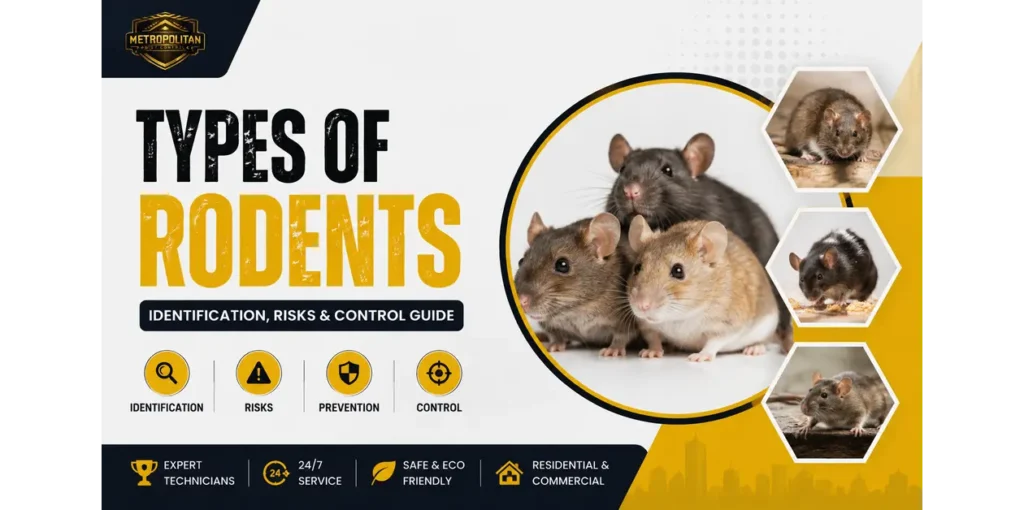
odents are among the most common pest problems faced by property owners across the United States, and knowing the different types of rodents that invade homes and businesses is the fastest way to identify a problem and solve it correctly. Each species looks different, behaves differently, and requires a different approach to remove  which is why a quick, accurate identification matters more than most people realize. This guide covers every major rodent species found on U.S. residential and commercial properties, including size, appearance, habitat, and risk level for each one, so you can identify what you’re dealing with in minutes. If you’re facing an active infestation right now, a professional Pest Control NYC team can inspect your property and confirm the species before treatment begins. Rodents don’t care whether your property is a single-family home, an apartment building, or a restaurant kitchen Best Rodent Control Services NYC they’re only looking for food, water, and shelter. If your property offers any of these, you’re at risk, and the sooner you can identify the species involved, the faster it can be resolved. For homeowners, a rodent problem usually starts small a scratching sound in the attic, a single dropping near the pantry and grows quietly until it’s much harder to manage. For business owners, the stakes are higher: a confirmed rodent sighting can mean a failed health inspection, lost inventory, or damage to your reputation with customers. Whether you manage a residential property or a commercial one, the goal is the same — identify the species quickly, understand its habits, and close off access before it multiplies. Types of Rodents Every Homeowner and Business Owner Should Know The rodents most commonly found on U.S. properties are: Each species has its own size, coloring, habitat preference, and health risk. The sections below break down each one with quick facts you can use to identify what’s on your property. Norway Rats Identification, Habits, and Dangers Norway rats are large, burrowing rats commonly found near foundations, basements, and outdoor debris piles on U.S. properties. Quick facts: Norway rats are heavy-bodied and poor climbers, so they stay close to ground level, burrowing under porches, foundations, and stacked firewood. They chew through wood, plastic, and soft metal, and a single female can produce several litters a year, so a minor sighting can turn into a full infestation within weeks with Rodent Control Services NYC. Commercial properties near dumpsters or loading docks are especially attractive to this species, and even one confirmed sighting can trigger a health inspection issue for restaurants and food storage facilities. Outdoors, look for smooth, fist-sized burrow openings near foundations, garden beds, or under sheds — a telltale sign this species has already settled in. Because Norway rats forage mostly after dark, catching one during the day usually means the population is large enough that food sources near the nest are running low. Roof Rats Why They’re Hard to Detect Roof rats are agile climbers that nest in attics, rooflines, and trees, making them harder to spot than ground-dwelling rodents. Quick facts: Because roof rats prefer elevated spaces, they often enter through roof gaps, vents, or tree branches touching the structure, and nest quietly in insulation or wall voids long before anyone notices. Scratching sounds in the attic at night are one of the clearest signs of activity. Regular roofline inspections, especially before winter, catch this species before it spreads into living or working spaces below. This species is also known for raiding fruit trees, bird feeders, and pet food left outdoors, so a sudden increase in yard activity near dusk can be an early warning sign before they ever move indoors. House Mice Small Rodents, Serious Risks House mice are the smallest and most common rodent found in U.S. homes and businesses, capable of entering through gaps as small as a dime. Quick facts: House mice are curious, adaptable, and don’t need much food to survive, which is why they’ll nest almost anywhere, from wall voids to cluttered storage rooms. A single pair can produce dozens of offspring within a year, so what starts as one sighting can quietly grow into a colony living inside your walls, making Pest Control NYC essential. In commercial kitchens, even a small mouse problem can become a health code violation fast. Unlike rats, house mice are naturally curious rather than cautious, which means they’ll investigate new traps or bait stations quickly — a trait that makes early professional treatment especially effective once a nest is confirmed. Deer Mice The Disease-Carrying Rodent Deer mice are a rural and suburban species easily identified by their bicolored coat, and they’re the primary carrier of hantavirus in the U.S. Quick facts: Deer mice are more common near open land, farmland, and wooded lots, though they’ll move into sheds, garages, or storage buildings close to a home. Their droppings and nesting material can carry hantavirus, which is why rodent diseases and health risks should never be handled without gloves, a mask, or professional cleanup. Never sweep or vacuum a deer mouse nest — this can release airborne particles that increase exposure risk. Homes near wooded lots or farmland should check sheds, crawl spaces, and stored vehicles each fall, since deer mice look for dry, undisturbed shelter before the colder months set in. Other Rodents Found Around U.S. Properties Outdoor rodents can damage landscaping, foundations, and structures even if they never enter a building. Tree squirrels Voles Groundhogs Prairie dogs While these species rarely move indoors, their burrows can weaken structures and create easier access points for other rodents trying to get closer to a building. Rats vs Mice: Key Differences Understanding the rats vs mice difference helps you describe the problem accurately to a professional and speeds up treatment: Signs of Rodent Infestation and How Rodents Enter Homes The most common rodent infestation signs are droppings near food storage, gnaw marks on wood or wiring, greasy rub marks along walls, scratching sounds at night, and a musty odor in enclosed spaces.

Types of Rodents Control: A Complete Guide for Homeowners & Business Owners Read Post »

Rodent Control

Pet Safe Pest Control Methods for Dogs: A Simple Homeowner’s Guide

Pest Control Methods for Homes With Dogs Pest control can be harder when you have a dog at home. Dogs spend a lot of time on floors and carpets. They also sniff corners, lick their paws, and explore places we may not notice. Because of this, homeowners need to think about pet safety before using pest control products. The good news is that you do not always need strong chemicals to manage pests. Good pest control starts with simple steps. Cleaning, sealing gaps, removing food sources, and keeping outdoor areas clean can all help. When pests are already inside your home, professional treatment may be needed. The right treatment depends on the type of pest, the size of the problem, and the areas that need attention. These steps can help dog owners in Brooklyn, Queens, Manhattan, the Bronx, Staten Island, and Long Island manage pests more safely. Why Pet Safety Matters During Pest Control Dogs can come into contact with pest control products in different ways. They may walk across a treated floor, touch a treated surface, or lick something that has pesticide residue on it. Some dogs may also chew or investigate bait stations. This is why pest products should always be stored and used carefully. The U.S. Environmental Protection Agency recommends reading the product label before using pesticides around pets. The label explains how the product should be used and when pets can return to treated areas. Do not assume that a product is safe just because it is called natural. Natural products can still cause problems if they are used the wrong way. What Is Pet Safe Pest Control? Pet Safe Pest Control means taking steps to control pests while reducing unnecessary exposure to pets. There is no single treatment that works for every pest. A technician may use different methods based on the situation. Common steps can include: A good pest control plan focuses on the source of the problem. This can reduce the need for repeated treatments. Simple Pest Control Methods for Dogs Prevention is one of the easiest ways to reduce pest problems. Keep dog food in sealed containers. Do not leave food sitting out for long periods. Clean food and water spills quickly. Keep trash cans closed and clean. Check your home for small openings. Look around doors, windows, pipes, vents, and other areas where pests may enter. Your yard also matters. Keep grass and plants trimmed. Remove piles of leaves and other outdoor debris. Empty containers that collect standing water. These small steps can make your home less attractive to pests. When an infestation is already present, DIY methods may not be enough. A professional inspection can help find the cause and choose the right treatment. Are Natural Pest Control Methods Safe for Dogs? Many dog owners prefer natural pest control. However, natural does not always mean harmless. Some essential oils and plant based products can cause problems for pets. The same applies to other products that are often promoted as natural pest solutions. For example, homeowners should not assume that diatomaceous earth or essential oils are always safe for dogs. Safety depends on the product, how it is used, and how much exposure occurs. Always read the product label before using any pest control product around your dog. If you are unsure about a product, ask your veterinarian or a qualified pest control professional before using it. Pest Control Methods for Fleas and Dogs Fleas are one of the most common pest problems for dog owners. Treating the dog alone may not solve the entire problem. Flea eggs and immature fleas can remain inside the home. They may hide in carpets, pet bedding, furniture, and other areas. Start by washing your dog’s bedding according to the care instructions. Vacuum carpets, rugs, furniture, and areas where your dog spends a lot of time. Your veterinarian can also recommend an appropriate flea treatment for your dog. For a larger infestation, professional treatment may be needed. Our flea control service can help address flea problems around the home. Protecting Dogs From Ticks and Mosquitoes Dogs can also be exposed to pests outside the home. Ticks often live in grass, bushes, wooded areas, and leaf piles. Keep your yard maintained and remove places where ticks may hide. Check your dog after spending time outdoors. Pay close attention to areas around the ears, neck, legs, and body. Mosquitoes can become a problem when water collects around your property. Check buckets, flowerpots, gutters, and other containers. Remove standing water whenever possible. Keeping outdoor areas clean can help reduce mosquito activity. If mosquitoes remain a problem, professional mosquito control can help reduce activity around your property. Rodent Control Around Dogs Mice and rats can create serious problems inside a home. Rodents can contaminate food and surfaces. They can also damage walls, wires, insulation, and other parts of a property. Start by looking for holes and gaps around your home. Check areas near pipes, doors, windows, vents, and the foundation. Keep food sealed and clean up crumbs quickly. Do not leave pet food available for long periods. If traps or rodent bait are used, they should be placed where your dog cannot reach them. Never leave rodent control products in areas that are accessible to pets. Professional rodent control services can help find entry points and deal with an active infestation. Roaches and Ants in Homes With Dogs Roaches and ants are often attracted by food and moisture. Pet food can become a food source for both pests. Clean your dog’s feeding area often and store food in sealed containers. Wipe up spills and crumbs as soon as possible. Fix leaks and reduce moisture around sinks and other areas. Check for cracks around cabinets, walls, windows, and pipes. Sealing these gaps can help stop pests from entering. If the problem continues, professional roach control or ant control may be needed. What to Do Before Pest Control Treatment A little preparation can make pest treatment easier and safer for

Pet Safe Pest Control Methods for Dogs: A Simple Homeowner’s Guide Read Post »

Scroll to Top