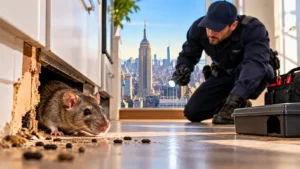
What is rodent control? Rodent control is the process of finding, removing, and preventing rats and mice from entering homes, apartments, and commercial buildings. It includes property inspections, trapping, sealing entry points, eliminating food sources, and ongoing monitoring. In New York City, effective Pest control nyc solutions address both the animals and the conditions that attract them.
Rodents can enter properties through small openings around doors, foundations, plumbing, and walls. Once inside, they may damage materials, contaminate food, and create health concerns. Professional Rodent Control Services NYC can help property owners identify rodent activity, determine suitable treatment methods, and reduce the risk of future problems.
If you have noticed scratching sounds, droppings, chewed packaging, or unexplained holes, early action is important. Our related guide, Effective Ways to Protect Your Home and Business From Rats and Mice, provides practical strategies for reducing the conditions that attract rodents to NYC properties.
In this guide, you will learn how rodent management works, which methods are commonly used, how to recognize an infestation, and when professional assistance may be necessary.
How Does Rodent Control Work?
Effective rodent management involves more than removing visible rats or mice.
A long-term solution begins by identifying how rodents enter a building, where they hide, and what food or water sources allow them to survive.Professional pest management commonly follows an approach called Integrated Pest Management (IPM). This combines inspection, sanitation, exclusion, targeted removal, and monitoring.
The process typically involves five stages.
1. Inspecting the Property
An inspection identifies rodent activity, nesting areas, possible entry points, and conditions that attract pests.
Common inspection areas include kitchens, basements, storage rooms, utility spaces, and building exteriors.
2. Identifying the Rodent Species
Different rodents have different habits.House mice may nest inside walls, cabinets, or storage areas. Norway rats often use ground-level spaces and outdoor burrows, although they may also enter buildings.
Identifying the species helps determine where control measures should be placed.
3. Removing Existing Rodents
Appropriate traps and other approved methods may be used to reduce rodent activity.The treatment approach depends on the species, infestation severity, building layout, and safety concerns.
4. Closing Entry Points
Small gaps around pipes, doors, foundations, and walls can allow rodents to enter.Sealing these openings helps prevent new animals from moving into the property.
5. Monitoring for New Activity
Follow-up inspections help determine whether rodents remain active.Fresh droppings, gnaw marks, or continued trapping activity may indicate that additional measures are needed.
This complete approach addresses both the existing problem and its underlying causes.
Common Rodent Control Methods Used in NYC
Different rodent control methods serve different purposes. The most effective treatment plans usually combine several approaches rather than relying on a single product.
Trapping
Traps are commonly used to remove rodents from indoor spaces.Snap traps and certain enclosed trapping systems can be effective when selected and positioned correctly.Placement matters because rodents often travel along walls and protected routes.
Traps must be kept away from children, pets, and areas where they could cause accidental injury.
Exclusion and Entry Point Sealing
Exclusion means preventing rodents from entering buildings.It may involve repairing holes, sealing gaps around pipes, installing door sweeps, and fixing damaged vents.
Rodents can squeeze through surprisingly small openings, so a careful inspection is necessary.
Sanitation and Food Management
Rodents need reliable access to food and shelter.Poor garbage storage, food spills, and clutter can encourage activity.
Keeping these areas clean makes a property less attractive to rats and mice.
Targeted Rodenticide Treatment
Rodenticides are products designed to control rodents.
They require careful handling because improper use can endanger children, pets, and wildlife.In NYC commercial and multi-unit properties, rat extermination must be handled by an appropriately licensed pest management professional.
Long-Term Monitoring
Monitoring can include checking traps, reviewing fresh activity, and reinspecting repaired openings.The goal is to determine whether the problem has been controlled and whether additional prevention is necessary.
For readers interested in the differences between common treatments, our related article Types of Rodents Control: provides another useful starting point.
What Are the Signs of Rodent Infestation?
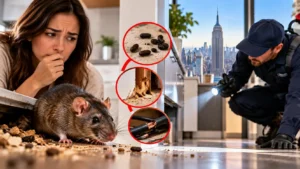
Recognizing the signs of rodent infestation can help you respond before the problem becomes more difficult to manage.Rodents usually avoid people and may remain hidden during daylight hours.You might notice the evidence they leave behind before seeing a live animal.
Rodent Droppings
Small, dark droppings are among the clearest warning signs.Mouse droppings are generally smaller than rat droppings.They may appear in kitchen cabinets, under sinks, behind appliances, or near stored food.
Scratching and Movement Sounds
Rodents may produce scratching, scurrying, or chewing sounds inside walls, ceilings, and floors.These sounds can be more noticeable at night.However, sounds alone cannot identify the pest.
Chewed Food Packaging
Rats and mice have strong front teeth that continue growing throughout their lives.
They gnaw on materials to access food and maintain their teeth.
Damaged food containers or torn packaging may indicate rodent activity.
Gnaw Marks and Damaged Materials
You may notice damage around wooden surfaces, insulation, storage boxes, plastic materials, or electrical wiring.
Chewed wiring can create additional safety concerns.
Nesting Materials
Rodents may collect shredded paper, fabric, insulation, and other soft materials for nests.These materials are often hidden in protected spaces.
Unpleasant Odors
Strong urine odors or smells from inaccessible areas may be associated with rodent activity.If you notice several warning signs together, arrange a closer inspection.
Why Is Rodent Control Important for NYC Properties?
Rodents are more than an inconvenience.
They can affect health, property conditions, food safety, and everyday comfort.
Protecting Health
Rats and mice may contaminate surfaces, food, and stored materials with urine, droppings, and other waste.
Some rodents can carry disease-causing organisms.
Rodent allergens may also worsen asthma symptoms in sensitive individuals.
Preventing Property Damage
Rodents can gnaw through insulation, wood, stored materials, and certain types of wiring.
They may also damage food supplies and create nesting areas inside building structures.
Protecting Food Storage Areas
Rodents are particularly concerning in restaurants, grocery stores, warehouses, and shared kitchens.
Food contamination may require affected materials to be discarded.
Maintaining Comfortable Living Spaces
Scratching sounds, unpleasant odors, and recurring sightings can disrupt daily life.
Addressing the infestation can make homes and workplaces more comfortable.
Supporting Property Maintenance
Early treatment can help property owners identify damaged openings, poor waste storage, and structural problems.
Correcting these conditions supports long-term building maintenance.
Rat and Mouse Control NYC: Understanding the Differences
Successful rat and mouse control NYC efforts begin with understanding the behavior of each pest.
Although rats and mice share some habits, they differ in size, nesting preferences, and movement patterns.
House Mice
House mice are small and can enter through narrow gaps.They frequently shelter near food sources, inside wall spaces, and around storage areas.Mice can reproduce quickly when food and shelter are available.
Norway Rats
Norway rats are larger and commonly associated with ground-level activity.They may create burrows near foundations, landscaping, sidewalks, or outdoor waste areas.These rats can enter buildings through structural openings.
Why Identification Matters
The type of rodent affects trapping strategy, inspection locations, and exclusion work.For example, a treatment focused only on kitchen cabinets may miss rats entering through a damaged foundation.
Proper identification helps avoid unnecessary or ineffective treatment.
How to Get Rid of Rodents Safely
If you want to know how to get rid of rodents, start by removing the conditions that support them.
A few simple actions can reduce activity and improve the effectiveness of professional treatment.
Step 1: Identify Possible Entry Points
Inspect accessible areas around doors, plumbing, vents, foundations, and utility connections.
Look for gaps, gnawing damage, and signs of movement.
Step 2: Store Food Properly
Keep food in hard-sided containers with tight-fitting lids.Avoid leaving exposed food, crumbs, or pet food overnight.Clean food preparation areas regularly.
Step 3: Secure Garbage
Use trash containers with properly fitting lids.Prevent bags from overflowing and clean spills around collection areas.For NYC properties, follow applicable sanitation requirements and collection schedules.
Step 4: Eliminate Shelter
Remove unnecessary clutter from basements, storage rooms, yards, and other areas.Keep stored items organized and away from walls when possible.
Step 5: Use Suitable Traps
Properly selected traps can help manage a limited infestation.Follow product instructions and avoid locations accessible to children or pets.For widespread activity, seek qualified assistance rather than relying on random trap placement.
Step 6: Clean Contaminated Areas Safely
Rodent droppings require special handling.
Do not sweep or vacuum dry droppings because this can release contaminated particles into the air.Follow CDC guidance for wetting contaminated material with disinfectant before careful removal, using appropriate protective equipment.
Step 7: Monitor the Property
Continue checking for fresh droppings, gnaw marks, or new sightings.If evidence persists, additional inspection and treatment may be required.
What Is Included in Professional Rodent Control Services?
Professional rodent control services typically focus on identifying the source of an infestation and developing a practical treatment plan.A qualified provider should explain what was found and which actions are recommended.
Rodent Inspection NYC: Finding the Source
A rodent inspection NYC property owners arrange may include checking accessible interior and exterior areas for activity.
Inspection targets may include:
- Entry points around doors and foundations
- Gaps surrounding plumbing and utility lines
- Food storage and garbage areas
- Basements and utility rooms
- Rodent droppings, nesting areas, and travel routes
The findings help determine the extent of the infestation.
Treatment Planning
A professional may recommend trapping, exclusion repairs, sanitation improvements, or other approved measures.The plan should account for the building type and the presence of children or pets.
Follow-Up Visits
Follow-up checks help determine whether activity has decreased and whether further intervention is necessary.
Large infestations may require several visits rather than a single treatment.
Preventive Recommendations
Property owners may receive advice about garbage storage, structural maintenance, and continued monitoring.These measures are important because removing rodents without correcting entry points can allow the problem to return.
Rodent Proofing NYC: How to Keep Rats and Mice Out
Rodent proofing NYC homes and businesses means identifying and repairing openings that allow rodents to enter.
Exclusion is one of the most important parts of long-term prevention.Common improvements include sealing cracks, repairing damaged vents, installing suitable door sweeps, and closing gaps around plumbing.
Areas That Need Attention
Check around:
- Exterior foundations
- Basement doors and windows
- Utility pipe openings
- Wall and floor joints
- Garage doors
- Roofline and ventilation openings
- Storage and garbage areas
Use materials appropriate for the size and location of each opening.
Flexible foam alone may not be sufficient where rodents can chew through it.
When significant damage is present, a building repair professional may need to assist with exclusion work.
Rodent Control in NYC Apartments
Rodent control in NYC apartments can require cooperation between tenants, landlords, and building management.
Rats and mice may travel between connected units through wall openings, utility spaces, and shared structural areas.Treating one apartment without addressing common entry points may not solve the full problem.
What Tenants Should Do
If you notice rodent activity:
- Notify your landlord or building manager.
- Document droppings, damaged materials, or sightings.
- Store food securely.
- Keep garbage properly contained.
- Request an inspection of suspected openings.
Avoid applying unapproved pesticides or moving traps into common areas without permission.
What Landlords Should Do
NYC property owners are responsible for maintaining pest-free buildings and addressing conditions that encourage infestations.
This may involve arranging professional treatment, repairing openings, improving waste storage, and inspecting nearby units.If a property owner does not address a reported condition, tenants can contact NYC 311.
Coordinated management is especially important in multi-unit properties where rodents may move through shared spaces.
Residential Rodent Control NYC: Protecting Your Home
Residential rodent control NYC homeowners and residents may need includes inspection, appropriate removal measures, and prevention.
Rodents frequently seek shelter in kitchens, basements, garages, storage areas, and concealed wall spaces.
Each property may have different conditions that support activity.For example, a house with damaged exterior vents may need exclusion repairs, while an apartment with recurring mouse activity may require a building-wide investigation.Homeowners should focus on practical steps they can maintain over time.
These include keeping food sealed, repairing water leaks, managing garbage, and inspecting exterior openings.
If rodents continue appearing after these improvements, professional help may be necessary.
Commercial Rodent Control NYC: Protecting Businesses
Commercial rodent control NYC businesses require may be more complex because larger properties often contain multiple food sources, storage areas, entrances, and utility spaces.Restaurants, grocery stores, offices, warehouses, and other commercial properties can all experience rodent problems.
Why Commercial Properties Need a Structured Plan
Rodent activity can affect food safety, inventory, sanitation, and customer confidence.
Businesses may need documented inspections, sanitation improvements, and continuing pest monitoring.
Important Areas to Inspect
Common areas of concern include delivery entrances, stockrooms, kitchens, dumpsters, loading docks, and utility rooms. These locations should be checked for food debris, damaged packaging, and possible rodent access points.
Ongoing Prevention
Routine inspection and maintenance can help identify new activity before it becomes widespread.Food businesses should also follow applicable NYC Health Department requirements.
A qualified pest management professional can help develop a plan suited to the property’s operations.
Rodent Prevention Tips for Long-Term Protection
These rodent prevention tips can help reduce the likelihood of another infestation.
Control food access. Keep food sealed, remove crumbs, and avoid leaving pet food out overnight.
Maintain garbage containers. Use durable containers with secure lids and follow local collection rules.
Repair leaks. Reduce unnecessary water sources near kitchens, basements, and utility areas.
Reduce clutter. Keep storage spaces organized and remove unnecessary nesting materials.
Inspect exterior openings. Check doors, windows, plumbing penetrations, and foundation cracks.
Maintain outdoor areas. Trim overgrown vegetation and remove debris near buildings.
Check for new evidence. Watch for droppings, damage, or repeated sightings.
Prevention is an ongoing process. Even after an infestation has been controlled, a building may become vulnerable again if new openings develop.
When Should You Call a Rodent Exterminator NYC?
Contacting a rodent exterminator NYC residents can turn to is appropriate when there is confirmed activity, repeated sightings, or evidence that rodents are moving through inaccessible areas.
Professional assistance is particularly useful when:
- Rodents are repeatedly seen indoors.
- Droppings appear in several rooms.
- Traps do not resolve the problem.
- Rats are burrowing around the property.
- Rodents are damaging wiring or building materials.
- Activity involves multiple apartments.
- A commercial property requires coordinated pest management.
Early professional assessment may help prevent the problem from becoming more difficult to manage.
Choosing a Rodent Control Provider
Look for a company that can explain its inspection findings and treatment recommendations.Ask whether the proposed plan addresses both existing rodents and future entry points.A useful service plan should consider safety, sanitation, exclusion, and follow-up needs.
You can also review Best Rodent Control Services NYC to understand the factors worth comparing when selecting a pest management provider.
Get Professional Rodent Control Help in NYC
If you have rats or mice in your home, apartment building, or business, taking action early can help protect your property.
Metropolitan Pest Services provides pest management solutions for New York City properties, including rodent-related inspection, trapping, and entry point concerns.
Whether you are dealing with recurring mouse activity or suspected rat burrows, understanding the source of the infestation is an important first step.
Call Metropolitan Pest Services at (718) 717-4177 to discuss your rodent concerns and ask about available inspection and treatment options.You can also visit Metropolitan Pest Services for more information.
Frequently Asked Questions About Rodent Control in NYC
1. Is rodent control the same as extermination?
Not exactly. Extermination focuses mainly on removing or killing pests. A complete management plan also identifies entry points, improves sanitation, addresses nesting conditions, and monitors for future activity.
2. How long does it take to control a rodent infestation?
The timeline depends on the number of rodents, property conditions, treatment methods, and available entry points. Small problems may be resolved relatively quickly, while severe infestations can require several visits and ongoing monitoring.
3. Can rats and mice return after treatment?
Yes. Rodents may return if food sources, nesting areas, and structural openings remain available. Exclusion and sanitation help reduce this risk.
4. Are rodent traps safe around children and pets?
Some traps and enclosed devices can reduce accidental contact when used properly. However, all trapping equipment should be positioned and handled according to safety instructions, away from children and pets.
5. Who is responsible for rodent problems in NYC rental apartments?
Property owners are responsible for maintaining buildings free from pests and correcting contributing conditions. Tenants should promptly report activity and cooperate with reasonable inspection and treatment procedures.
6. Can rodents cause serious property damage?
Yes. Rats and mice can damage insulation, stored belongings, food packaging, wood, and electrical wiring. They may also contaminate areas with droppings and urine.
7. Is professional treatment necessary for every mouse sighting?
Not always. A single sighting should prompt inspection and preventive action. However, recurring evidence, multiple sightings, or activity inside walls may require a professional assessment.
8. What is the most effective way to prevent rodents in NYC?
The strongest prevention strategy combines sealing entry points, proper waste storage, removing food and water sources, reducing clutter, and regular monitoring.
Final Thoughts
Rodent control is not simply about catching a rat or mouse. It is a complete process that identifies the infestation, addresses the conditions supporting it, removes existing pests, and helps prevent future entry. For New York City homeowners, tenants, landlords, and businesses, combining sanitation, exclusion, appropriate trapping, and professional guidance offers a practical long-term approach.
If you are noticing droppings, scratching sounds, gnaw marks, or repeated rodent activity, do not ignore the warning signs.
Contact Metropolitan Pest Services at (718) 717-4177 to discuss rodent control options for your NYC property.