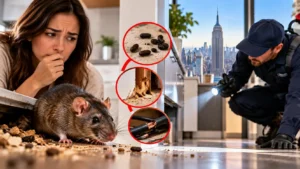
When should you call a rodent exterminator? You should contact a professional when you see a rat or mouse inside your property, discover fresh droppings, hear repeated scratching behind walls, or notice damaged food packaging and electrical wiring. Even one confirmed sighting deserves attention because rodents can stay hidden and cause problems before an infestation becomes obvious. If you are experiencing these issues, professional Pest control nyc assistance can help identify the source and recommend suitable treatment.
Rodents are particularly challenging in New York City because they can use gaps around pipes, foundations, utility spaces, and shared walls to enter buildings. Understanding What Is Rodent Control in NYC? helps homeowners, tenants, and business owners recognize why effective treatment involves more than placing a few traps. The goal is to remove existing rodents while reducing food sources, shelter, and access points that allow them to return.
If you suspect rats or mice are active in your property, Rodent Control Services NYC can provide professional inspection, targeted treatment, and recommendations for long-term prevention. This guide explains the warning signs, health risks, and situations that require immediate attention so you can make an informed decision before the problem becomes more serious.
Signs You Need a Rodent Exterminator
The most important signs you need a rodent exterminator include repeated sightings, fresh droppings, unusual sounds, gnaw marks, damaged food packaging, and evidence of nesting. You do not need to wait until several rodents become visible. Rats and mice often remain hidden during the day, which means physical evidence may appear before you see the animals themselves.
Seeing a Rat or Mouse Inside Your Home
Finding a live rodent in your kitchen, bedroom, basement, or storage area is a reason to investigate promptly. A single sighting does not necessarily prove there is a large infestation, but it may indicate an entry point or an available food source. Repeated sightings, particularly in different rooms, make professional inspection more important.
Rodents are generally cautious around people. They often move along walls, behind appliances, and through concealed spaces. If you see one entering a hole or disappearing behind a cabinet, note the location so the exterminator can inspect it.
Finding Rodent Droppings in Your House
Discovering rodent droppings in house cabinets, under sinks, behind refrigerators, or around stored food is a strong warning sign. Mouse droppings are typically smaller than rat droppings, although size alone may not provide a certain identification. Their presence shows that rodents have accessed the area.
Droppings should never be handled carelessly. The CDC recommends disinfecting affected areas before removing waste. Avoid sweeping or vacuuming dry droppings because contaminated particles may become airborne.
Hearing Scratching Noises Inside Walls at Night
Repeated scratching noises in walls at night may indicate rats or mice moving through concealed spaces. These sounds may come from wall cavities, ceilings, floors, or areas around plumbing. Rodents are often active after dark, so the noises may become noticeable when the building is quiet.
However, squirrels and other animals can create similar sounds. An inspection can help identify the actual cause rather than relying only on the location or timing of the noise.
Finding Gnaw Marks and Damaged Materials
Rats and mice have front teeth that continue growing, so they regularly gnaw on materials. You might discover chewed food packaging, damaged cardboard boxes, holes around cabinets, or marks along baseboards. Some rodents may also damage insulation and electrical wiring.
If you suspect damaged wiring, avoid touching the affected area and contact a qualified electrician when necessary. Electrical hazards require attention beyond pest removal.
Discovering Nesting Materials or Unusual Odors
Rodents use shredded paper, fabric, insulation, and other soft materials to build nests. These materials may collect behind appliances, in storage boxes, inside wall spaces, or beneath cabinets. An unpleasant odor around hidden areas may also indicate rodent urine, waste, or a dead animal.
Finding several of these warning signs together makes an active infestation more likely and supports arranging a professional inspection.
How to Tell If You Have Rats or Mice
Understanding how to tell if you have rats or mice can help you describe the problem accurately when contacting a pest control company. Both can contaminate food and damage property, but their size, nesting habits, and preferred travel routes can differ.
House mice are smaller and frequently enter kitchens, storage rooms, wall cavities, and cabinets. Norway rats are much larger and commonly use basements, ground-level openings, and outdoor burrows. Roof rats, where present, are skilled climbers and may use elevated spaces.
Dropping size, gnaw marks, footprints, burrows, and live sightings can provide clues. However, a professional should consider several forms of evidence before identifying the species or deciding where traps belong.
Correct identification matters because a treatment plan focused on the wrong areas may miss the actual nesting sites.
What Are the Dangers of a Rodent Infestation?
The dangers of rodent infestation extend beyond the inconvenience of seeing pests indoors. Rats and mice may contaminate food, create sanitation problems, damage building materials, and expose occupants to harmful organisms through their waste.
Health Risks and Food Contamination
Rodents can spread certain diseases through urine, droppings, saliva, bites, or contaminated materials. Not every rodent carries the same pathogens, and the level of risk depends on the situation. Still, food or surfaces contaminated by rodent activity should be handled carefully.
If you believe an illness may be related to rodent exposure, seek medical advice and explain the possible contact.
Property and Electrical Damage
Gnawing can damage insulation, wall materials, storage containers, and electrical cables. Repairing these problems may involve electricians, contractors, or other building specialists in addition to pest control professionals.
Problems for NYC Businesses
Restaurants, grocery stores, warehouses, and offices can experience contamination, damaged inventory, and sanitation concerns. For food-related businesses, even limited rodent activity deserves prompt investigation because it may affect food handling and regulatory compliance.
Early control helps property owners address these risks before damage becomes more extensive.
How Quickly Do Rodents Multiply?
If you are wondering how quickly do rodents multiply, the answer is that both mice and rats can reproduce rapidly when suitable food, shelter, and nesting conditions are available. A small problem can become more difficult to manage if rodents remain undisturbed for an extended period.
House mice can begin reproducing at a young age and may produce several litters in favorable conditions. Rats can also reproduce multiple times during the year. However, the actual rate of population growth varies with species, food availability, environmental conditions, and other factors.
This is why waiting for obvious evidence of a large infestation is not recommended. Detecting the source early can reduce the amount of work required to bring the problem under control.
When to Call Pest Control for Rats
Knowing when to call pest control for rats is especially important when activity involves kitchens, food storage areas, basements, commercial spaces, or multiple units in an apartment building.
A professional assessment becomes more urgent when rats are entering occupied rooms, repeatedly appearing near food, damaging wiring, or creating burrows around foundations. Activity that continues despite traps and sanitation improvements also suggests that the full problem has not been addressed.
For businesses that prepare, serve, or store food, arrange professional assistance promptly when rodent evidence appears. NYC Health provides specific pest-management expectations for food establishments and recommends active monitoring of infestation signs.
Can You Get Rid of Rats on Your Own?
Many homeowners ask, can you get rid of rats on your own? Some limited rodent problems may be manageable with suitable traps, sanitation, and entry-point repairs. However, successful DIY treatment depends on correctly identifying the pest, locating access points, and using equipment safely.
Randomly placing traps without addressing food sources or openings may provide temporary results while new rodents continue entering. Improper use of rodenticides also creates risks for children, pets, and wildlife.
For readers who want practical steps before scheduling treatment, Effective Ways to Protect Your Home and Business From Rats and Mice provides a useful prevention-focused approach.
What You Can Do Before an Exterminator Arrives
Begin by storing food in sealed containers, cleaning spills, securing trash, and removing unnecessary clutter. Check accessible areas for gaps around pipes, doors, and foundations, but avoid disturbing suspected nests or contaminated materials.
If droppings are present, follow CDC cleanup recommendations. Wear appropriate gloves, use a suitable disinfectant, and never dry-sweep contaminated waste.
Do not use illegal pesticides, improvised poison mixtures, or unsafe trapping methods. If you suspect a large infestation or cannot locate its source, seek professional assistance.
What Happens During Professional Rodent Extermination?
Professional rodent extermination generally begins with an inspection rather than immediate pesticide application. A qualified technician looks for evidence of activity, identifies likely entry points, evaluates food and water sources, and determines which areas need treatment.
A comprehensive approach usually includes inspection, targeted control, exclusion, and follow-up monitoring.
Property Inspection and Identification
A technician may examine accessible kitchens, basements, utility spaces, exterior foundations, garbage areas, and other potential travel routes. Droppings, rub marks, gnaw damage, nests, and burrows provide valuable information about where rodents are active.
Choosing the Right Treatment Method
Depending on the conditions, treatment may include snap traps, enclosed trapping equipment, exclusion work, or professionally managed baiting. Different methods serve different purposes and should be chosen according to the property and species involved.
Our related guide, Types of Rodents Control: explains the main approaches used to manage rats and mice.
Sealing Entry Points
Exclusion is an important part of long-term control. Openings around utility lines, doors, vents, and foundations may need sealing with suitable materials.
Trapping existing rodents without addressing entry routes may allow another infestation to develop later.
Follow-Up Monitoring
Some infestations require additional visits. Monitoring helps establish whether activity is decreasing, whether traps need adjustment, and whether further structural or sanitation improvements are necessary.
A professional should explain the recommended plan, any preparation required, and the steps needed to reduce future activity.
Rodent Inspection NYC: When Is It Necessary?
A rodent inspection NYC property owners arrange is valuable when warning signs are present but the source is unclear. Inspection is particularly useful for recurring infestations, unexplained sounds, or situations involving several connected apartments.
An inspection can help determine whether rodents are using plumbing openings, utility spaces, damaged doors, or exterior burrows. It may also reveal garbage storage or maintenance conditions that contribute to the infestation.
Metropolitan Pest Services describes an inspection-based approach on its rodent service page, including identifying nesting areas, treating activity, sealing entry points, and monitoring results.
For landlords and commercial property managers, documenting the findings can help coordinate treatment and any required structural repairs.
Emergency Rodent Control NYC: When Is Immediate Help Important?
Emergency rodent control NYC residents seek is most relevant when the situation creates an immediate health, sanitation, or property safety concern. Examples include rats entering active food preparation areas, rodent activity near exposed electrical wiring, or substantial contamination in occupied spaces.
A rodent sighting does not automatically mean there is a medical emergency. However, these situations should not be postponed simply because only one animal was seen.
If there is an electrical hazard, contact a qualified electrician. If someone has been bitten or becomes ill after possible rodent exposure, seek appropriate medical care.
Metropolitan Pest Services advertises 24/7 emergency pest control availability on its website. Call to confirm response times and the services available for your specific property.
Rodent Control in NYC Apartments: Tenant Rights and Responsibilities
In New York City, landlords and building owners are responsible for maintaining properties and addressing conditions that contribute to pest infestations. Tenants should report suspected rodents promptly to the landlord, superintendent, or management company.
Rodents may travel between apartments through shared walls, gaps around plumbing, basements, and utility spaces. This means treating one apartment without examining nearby entry routes may not resolve a recurring problem.
What Should NYC Tenants Do?
Start by documenting sightings, droppings, damaged food packaging, and other evidence. Notify building management in writing whenever possible and keep a record of your report.
Continue basic sanitation measures, such as securing food and properly disposing of garbage, while management arranges inspection and treatment.
What If the Landlord Does Not Respond?
NYC residents can report unresolved rat or mouse problems through 311. Depending on the location and type of complaint, the matter may be handled by the NYC Department of Health and Mental Hygiene or the Department of Housing Preservation and Development.
Use the official NYC311 rat or mouse complaint service or dial 311 for assistance.
Are Licensed Professionals Required?
NYC Health states that owners of commercial and multi-unit properties are required to hire a pest management professional for rat control. Treatments involving rodenticides must follow applicable New York State requirements and product-label instructions.
Using an appropriately licensed professional also helps ensure that the treatment plan addresses the building’s actual conditions.
Choosing a Rat Exterminator NYC Property Owners Can Trust
When selecting a rat exterminator NYC homeowners or property managers can contact, focus on the quality of the inspection and the proposed treatment plan rather than choosing solely by price.
Ask whether the company examines exterior entry points, provides exclusion recommendations, explains pesticide safety precautions, and offers follow-up monitoring when needed.
The company should also be able to explain which areas require attention and whether building repairs are necessary.
If you are comparing local providers, Best Rodent Control Services NYC can serve as a related resource for evaluating important service factors.
When Should You Hire a Mouse Exterminator NYC?
Hiring a mouse exterminator NYC residents can consult is worthwhile when mice are repeatedly seen, droppings return after cleanup, or movement continues inside walls despite efforts to control the problem.
Mice can enter through very small openings, making the source difficult to locate without a systematic inspection. They may also use concealed spaces behind appliances and cabinets where ordinary cleaning does not reach.
A professional can inspect these areas, choose appropriate traps, and recommend sealing the openings that allow mice to enter.
For apartment residents, communicating with building management is particularly important when mouse activity continues across multiple units.
How to Prevent Another Rat or Mouse Infestation
Prevention should continue after treatment because removing existing rodents does not automatically stop new ones from entering.
Keep food in secure containers and dispose of household or commercial garbage properly. Repair plumbing leaks, remove clutter, and inspect doors, vents, foundations, and other accessible entry points.
Outdoor areas also need attention. Remove unnecessary debris near buildings, maintain vegetation, and avoid leaving food where it can attract rodents.
Property owners should periodically check for fresh droppings, damaged materials, burrows, and new openings. Early detection makes it easier to respond before activity becomes widespread.
Get Professional Rodent Extermination in NYC
If you have found rats, mice, droppings, gnaw marks, or repeated signs of activity, an inspection can help determine the next step.
Metropolitan Pest Services provides rodent management for NYC homes and businesses. Its published services include property inspections, trapping, entry-point sealing, and prevention-oriented treatment plans.
Whether you own a home, manage an apartment building, or operate a business, identifying the source is an important step toward a lasting solution.
Call Metropolitan Pest Services at (718) 717-4177 to discuss your rodent problem and ask about inspection or treatment availability in New York City.
Frequently Asked Questions
1. Should I call an exterminator after seeing just one mouse?
Yes, it is reasonable to request an inspection after a confirmed indoor sighting. One mouse does not automatically mean a large infestation, but it may indicate an entry point or available shelter. Check for additional evidence and take preventive action promptly.
2. Does seeing a rat during the day mean there is a large infestation?
Not necessarily. Daytime sightings can occur for several reasons, including disturbance, food-seeking activity, or a nearby nesting area. Repeated sightings and other physical evidence provide a better indication of the problem’s extent.
3. How long does professional rodent treatment take?
The timeline varies with the species, infestation size, property layout, and number of entry points. Some problems respond quickly, while established infestations may require multiple visits and continued monitoring.
4. Should I leave my home during rodent treatment?
Not always. Whether you need to leave depends on the methods used and the technician’s safety instructions. Ask your pest control provider about any necessary precautions before treatment begins.
5. Can rats or mice come back after extermination?
Yes. Rodents can return if entry points remain open or food and shelter are still available. Exclusion work, sanitation, and monitoring help lower the likelihood of recurring activity.
6. Is rodent extermination safe around children and pets?
Treatment requires appropriate precautions. Traps, bait stations, and other control products must be selected and positioned to minimize exposure. Tell your exterminator about children and pets before treatment begins.
7. Who should I contact about rodents in an NYC rental apartment?
Notify your landlord or building management first. If the problem is not addressed, you can report the relevant condition through NYC311. The responsible agency depends on the type and location of the infestation.
8. What should I do if rats keep returning after trapping?
Repeated activity may indicate that entry routes, nesting areas, or food sources remain accessible. Arrange a more thorough inspection and consider exclusion repairs rather than simply adding more traps.
Final Thoughts
You should not wait for a serious infestation before taking action against rats or mice. Fresh droppings, repeated sightings, scratching sounds, gnaw marks, and damaged food packaging are all reasons to investigate.
For NYC homeowners, tenants, and commercial property managers, the strongest approach combines early detection, appropriate treatment, entry-point sealing, and prevention.
If you suspect rodent activity in your property, call Metropolitan Pest Services at (718) 717-4177 to discuss your situation and the next appropriate step.