
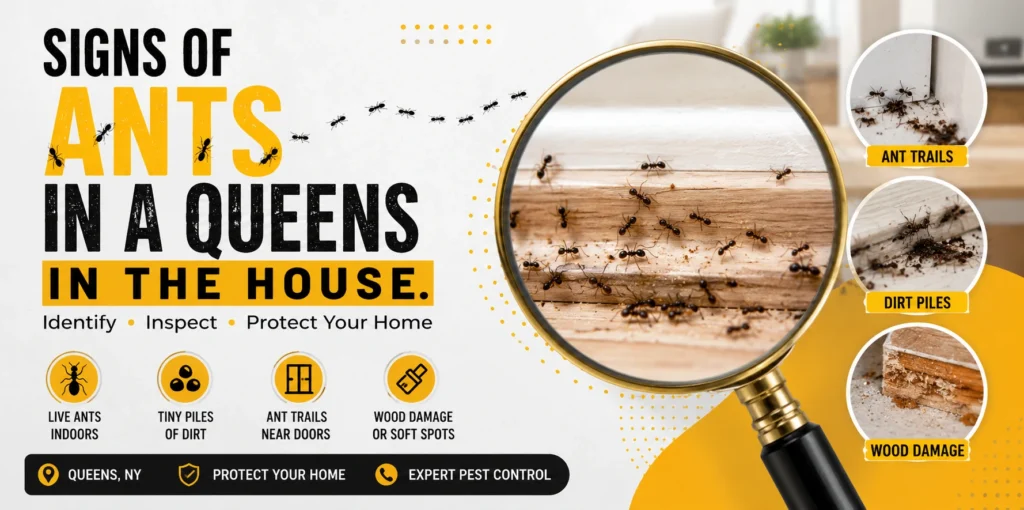
Signs of Ants in a House: How to Identify a Hidden Infestation
Finding a few ants indoors may seem harmless, especially during warm weather. However, repeated activity can point to a nearby nest, food source, moisture issue, or hidden colony. Knowing what to look for helps homeowners act before a small problem becomes a larger one. This guide explains common warning signs, where ants hide, how to locate their nesting area, and when professional help makes sense. It also explains how to tell normal outdoor activity from an established indoor infestation. Repeated Ant Activity Seeing one ant does not always mean your home has an infestation. Ants often enter while searching for food and water. Watch for trails along floors, counters, windows, doors, and baseboards. Ants use scent trails to guide other workers toward food and water. If the same path appears again after cleaning, more ants may be following a route from a nearby colony. Multiple Rooms Show Activity Ant activity in several rooms deserves closer attention. You may first notice ants near the kitchen, then find them around a bathroom, bedroom, or utility area. This pattern can mean the colony is using more than one entry point. Pay attention to where activity starts and where it ends. Mapping these areas can help identify the direction ants are traveling. Ants Emerging From Walls or Cracks Ants appearing from tiny gaps can indicate that their nest or travel route is close by. Check openings around window frames, pipes, electrical outlets, cabinets, baseboards, and damaged surfaces. Small Piles of Wood Debris Some larger ants, especially carpenter ants, can excavate damaged wood while creating nesting galleries. Their activity may leave behind fine wood particles or debris called frass. Finding debris near window frames, wall openings, ceilings, or wooden structures can justify a closer inspection. Moisture and wood damage can make certain areas more attractive to carpenter ants. Inspect places where leaks, condensation, poor drainage, or damp wood are present. Large Ants Indoors Large black or dark colored ants can be more concerning than occasional tiny workers, depending on the species. Carpenter ants are among the larger ants commonly encountered around homes. Their presence does not automatically mean the building is being damaged. Carpenter ants may nest in damp or previously damaged wood rather than healthy structural timber. If you repeatedly see large ants indoors, especially near wood or moisture, identifying the species and locating the colony are important next steps. Flying Ants Inside the Home Winged ants are reproductive ants that may appear when colonies produce new queens and males. Seeing several winged insects indoors can indicate a mature colony nearby. However, flying ants can be mistaken for termites. The two insects have different body shapes, antennae, wings, and waist structures. Because termite activity can cause serious property concerns, correct identification matters. How to Find an Ant Nest Finding the nest is often more useful than simply killing visible workers. Start by observing the direction of established trails. Follow them carefully instead of disturbing the ants immediately. Check common nesting and entry areas such as: What Does a Queen Ant Look Like? A queen is usually larger than worker ants, although size varies by species. She often has a wider body and a larger abdomen. Newly produced queens may also have wings before or during their mating flight. Most homeowners will never see the queen because she usually remains protected within the colony. Finding a queen is therefore not necessary for confirming an ant problem. Instead, focus on repeated worker activity, nesting clues, entry points, moisture conditions, and the location of trails. These signs provide more useful information for deciding what action is needed. Carpenter Ant Queen Clues Carpenter ant colonies can contain a primary queen and many workers. The queen generally stays deep inside the nest and is rarely visible during normal household activity. If you suspect carpenter ants, look for repeated large ants, wood debris, moisture damage, and activity around wooden areas. Sugar Ant Identification The term sugar ant is used broadly for several small ants that are attracted to sweet foods. It is not a precise species name, so appearance and behavior can vary. Clean spills, store food in sealed containers, and remove standing water while monitoring whether activity continues. Ant Infestation or Occasional Ants? A few ants near an open door are not always a serious concern. An established problem is more likely when activity is frequent, appears in several areas, or continues despite cleaning. Other warning signs include persistent trails, winged ants, large numbers of workers, debris near wood, and ants repeatedly emerging from the same gaps. How to Get Rid of an Ant Queen Trying to kill a visible worker or queen without addressing the colony may not solve the underlying problem. Effective control usually begins with identification and inspection. The source of activity should be assessed, along with food access, moisture, nesting conditions, and entry points. Homeowners can reduce attractants by cleaning food residue, securing trash, storing sweets properly, fixing moisture problems, and keeping indoor areas dry. Exterior gaps and cracks should also be evaluated. When activity continues, professional ant control services can help locate the source and develop a treatment plan suited to the species and property. For homeowners in Queens and nearby NYC communities, local conditions can influence where ants forage and nest. Metropolitan Pest Services provides ant control services designed to address active infestations and their likely sources. When to Call a Professional Professional help is especially useful when ants keep returning, appear from walls, spread across multiple rooms, or are accompanied by winged ants or wood debris. For homeowners in Queens and nearby NYC communities, professional inspection can help determine whether activity is coming from an indoor colony, an outdoor nest, or a hidden entry route. You can also review the company’s service areas to see whether your location is covered. Frequently Asked Questions Can one ant mean an infestation? Not necessarily. A single ant may simply be exploring for food or water. Repeated activity is more meaningful, especially when ants follow
Signs of Ants in a House: How to Identify a Hidden Infestation Read Post »